
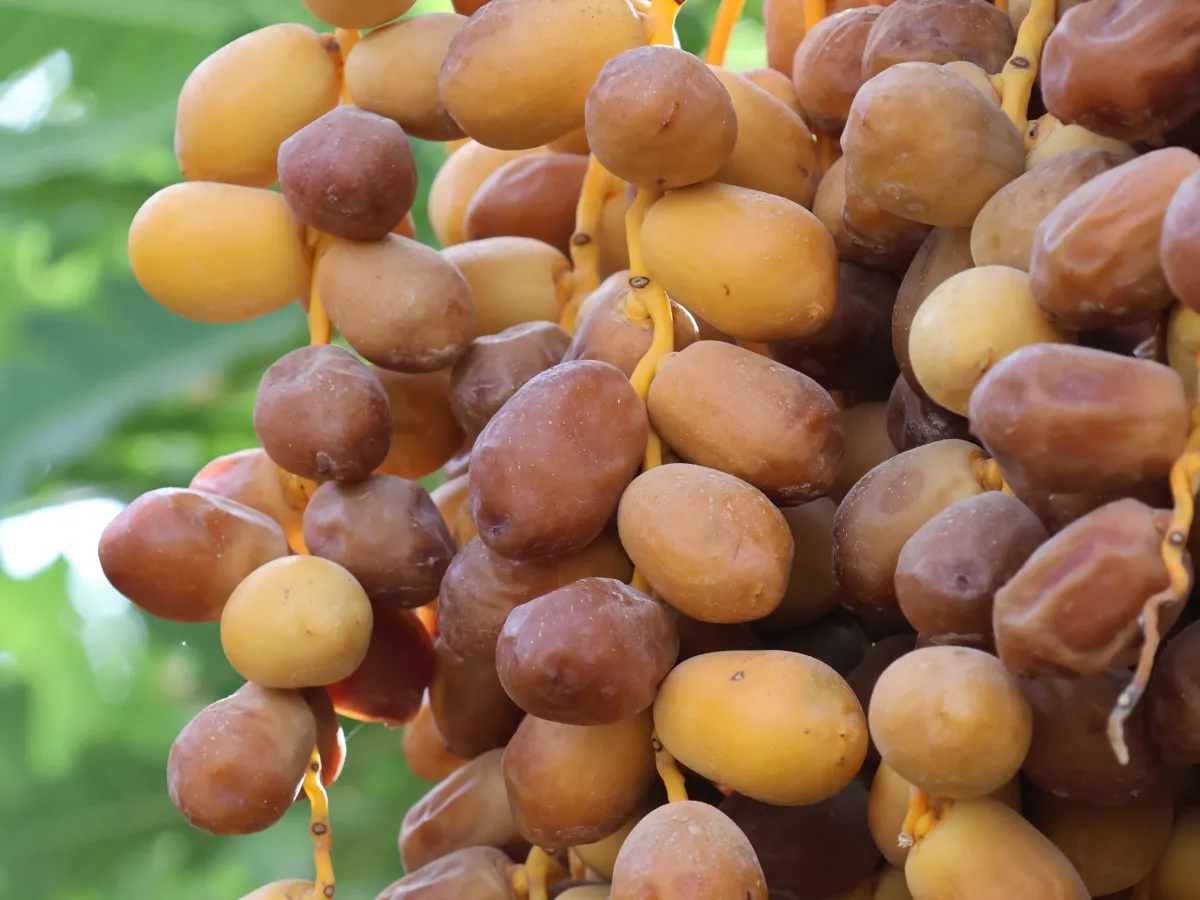
- Know who you are buying from: a grower, a packer and a trader each carry different risks.
- Ask where the fruit is grown and stored, which crop year it is, and who grades and packs it.
- Check the company: its licence, its address, an email on its own domain, and the exporter's name on the documents.
- A trial order against an approved reference sample is the cheapest way to test a new supplier.
Grower, packer or trader?
Iraqi Zahdi reaches importers through three kinds of seller, and it helps to know which one is quoting you:
- A grower with its own groves and stores: follows the fruit from the palm to the carton, so it can tell you the crop year and where the lot was stored, and its volumes are tied to its own harvest.
- A packer: buys fruit from growers in season and grades and packs it in its own facility, so consistency depends on its discipline in buying and sorting.
- A trader who resells: buys packed goods or ready lots and sells them on; it can be flexible on volume, but it is one step further from the fruit, so traceability depends on its own suppliers.
None of these is wrong in itself, but the questions you ask, and how much you verify, should match who you are dealing with. A seller who will not say plainly which one it is gives you the first reason for caution.
Seven questions to ask before the price
Ask these in writing, and ask for the answers in writing:
- Where is the fruit grown, and where is it stored after the harvest?
- Which crop year is the offer for, and what condition is the fruit in now?
- Who grades and packs it: the supplier in its own facility, or someone else?
- Which grade is on offer, and can you see a sample that genuinely represents it rather than the best of the lot?
- Can you see photos or video of the actual lot before loading, and can an inspector of your choosing attend?
- Which company will appear as the exporter on the certificate of origin and the commercial invoice?
- What is done in the supplier's own facility, packing and labelling included, and what is outsourced?
A good supplier answers these in writing and without hesitation. Vague answers about origin or crop year often mean the seller does not yet hold the goods.
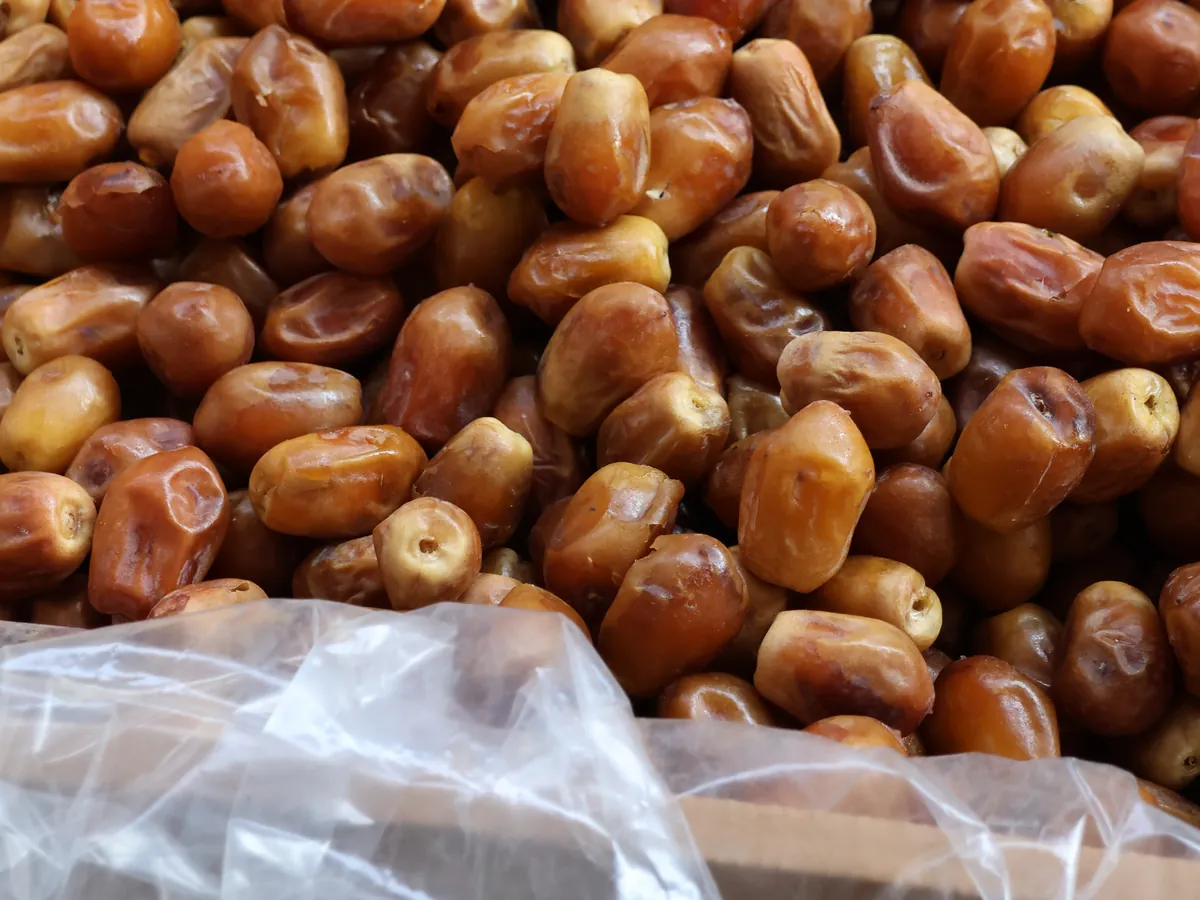
Check the company before the first payment
- The trade licence or company registration: ask for it, and check that the name and the activity match the company you are dealing with.
- Chamber of commerce membership, where that applies.
- A physical address you can verify, not just a phone number.
- Email on the company's own domain, not a free mailbox.
- A bank account in the company's name that matches the contract and the invoice. Never pay into a personal account.
- Consistent names: the seller on the contract, the beneficiary of the payment and the exporter on the documents. If one differs, ask for the reason in writing.
These checks cost nothing, take a day, and spare you the worst surprises.
Warning signs
- A price far below other offers for the same grade and crop year.
- Refusing to send a sample, or a sample that is plainly the best of the lot.
- Pressure to pay in full before loading, or to pay into a personal account.
- No crop year, or a different answer each time you ask.
- Documents in another company's name with no explanation.
- No fixed address, no licence on request, only a mobile number.
One sign alone is not enough to judge by, but any two together are reason enough to stop.
Test the supplier with a small first order
The safest first deal with a new supplier is a trial order against an approved reference sample, with inspection at loading if you want it. The steps — the brief, the delivery terms, the documents, the sample and the payment — are set out in How to import dates from Iraq, and our own terms for a trial order are in the buyer questions.
Where HAK stands on these questions
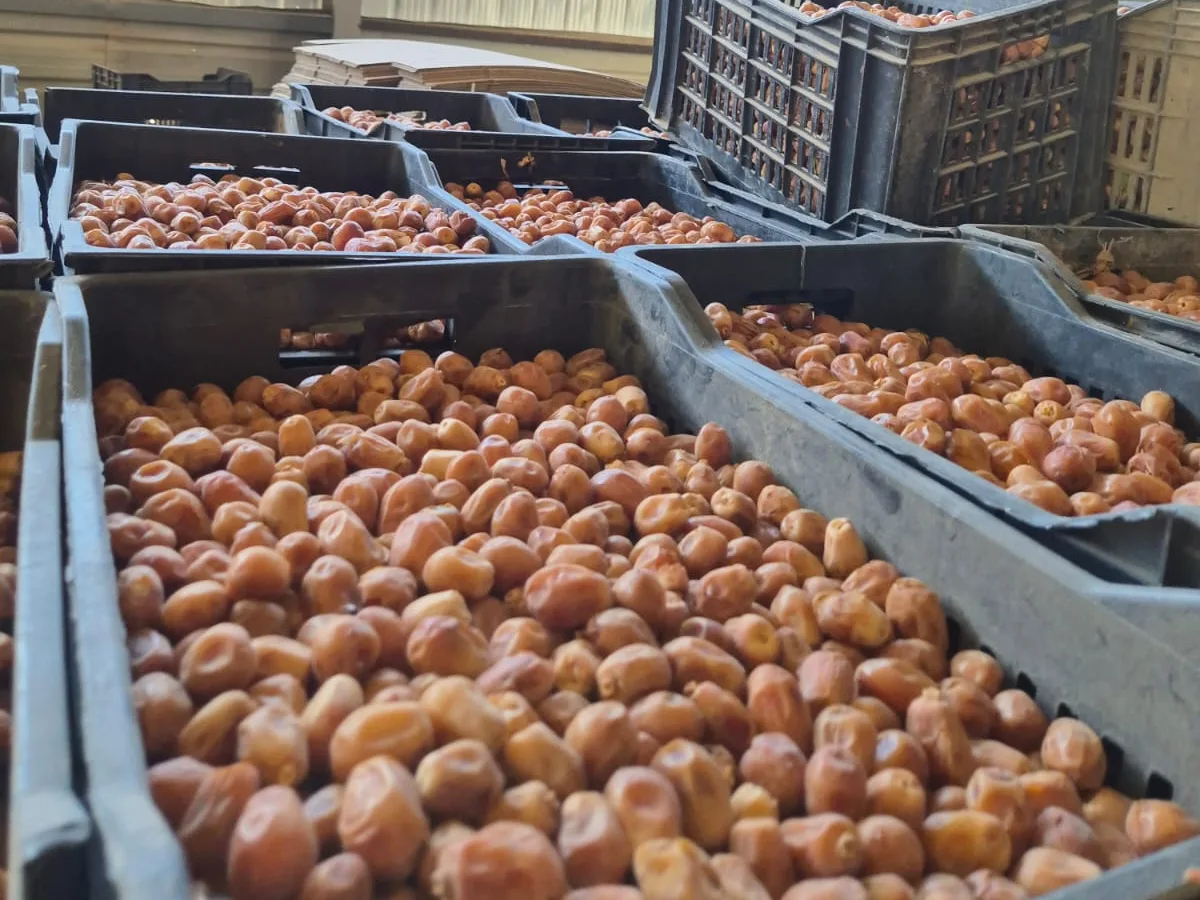
HAK FOODSTUFF L.L.C is a Dubai company, holding trade licence No. 1270250 from the Department of Economy and Tourism and Dubai Chamber membership No. 502520. The Zahdi we sell comes from our own groves in Iraq and is collected, graded and prepared in our own stores under our team, so we can tell you the crop year and the condition of the lot we are offering.
Put any of the questions above to us in writing. Grades, packing and terms are in the catalogue.
Assessing a new supplier?
Send us your questions with your volume, your end use and your port of arrival, and we will answer in writing, with a quotation.